


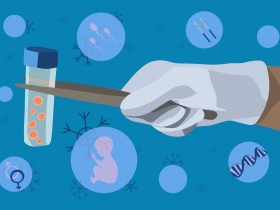

Freezing Your Eggs? Here’s What You Should Know About Genetics
Why Genetics Matter in Egg Freezing
Each egg holds the potential for life, but not every egg is genetically healthy. As we age, the risk of genetic abnormalities in eggs increases. That’s one of the reasons age is such a key factor in fertility. When eggs are frozen at a younger age, they’re more likely to be chromosomally normal. This can improve the chances of a successful pregnancy later on, when those eggs are thawed and used in IVF. (Source: Progyny)
Freezing eggs before the age of 35 usually leads to better outcomes. Eggs frozen later in life may still work, but the number of healthy, usable eggs may be lower. It’s not about rushing into parenthood, but about understanding how age and genetics work together.
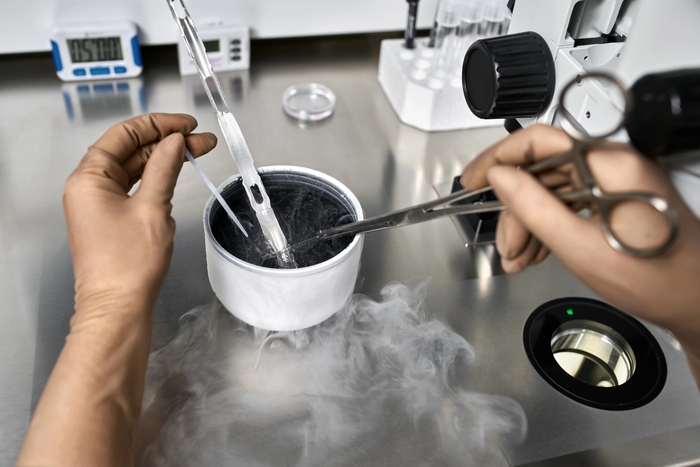
Can You Test Genetic Quality Before Freezing?
This is one of the most common questions people ask. The short answer is no, not directly. Eggs are single cells, so testing them before freezing would damage or destroy them. However, once an egg is fertilized and becomes an embryo, genetic testing can be done. This is called PGT (Preimplantation Genetic Testing), and it checks for chromosomal issues in embryos created from frozen eggs.
So while you can’t screen the eggs themselves for genetic health before freezing, you can take steps to freeze more eggs to improve the odds. Fertility specialists usually recommend freezing multiple eggs to increase the chance of having genetically healthy embryos later. (Source: BBC)
Family History and Genetic Conditions
Another part of the genetic picture is family history. If there’s a known genetic condition in your family, it’s a good idea to speak with a genetic counselor before egg freezing. They can help assess your risks and guide you on whether additional steps might be needed. This could include screening you for specific conditions that may be passed on.
It’s also important to remember that egg freezing doesn’t guarantee a baby. It’s a helpful tool, but it can’t change inherited conditions or guarantee successful fertilization. Being aware of your family’s medical background can help you make informed choices.
Planning With Confidence
Genetics can sound like a complicated part of the egg freezing process, but it doesn’t have to be overwhelming. With the right information and support, you can take steps that feel right for you. Age, family history, and the number of eggs you freeze all play a part in the bigger picture. Understanding these factors now can make a big difference later. (Elanza Wellness)
Freezing your eggs is more than timing. It’s also about planning ahead with knowledge. Taking genetics into account helps you move forward with confidence and make decisions that support your long-term goals.
Sources:
Progyny - Progyny.com/education/age-fertility/
BBC - Bbc.com/news/health-51463488
Elanza Wellness - Elanzawellness.com/post/should-i-get-genetic-testing-before-egg-freezing-or-ivf