




What Your Period Can Reveal About Your Fertility
Cycle Length and Timing
A cycle that consistently falls between 24 and 35 days is a good sign that your hormones are doing what they should. It usually means you’re ovulating regularly. If your cycle is shorter than 24 days or longer than 35, or if it varies a lot from month to month, it could point to something like PCOS or thyroid issues. (Source: Natural Cycles) These can affect how often or how well you ovulate. Even spotting before your period might hint at a shorter luteal phase, which can make it harder for an embryo to implant.
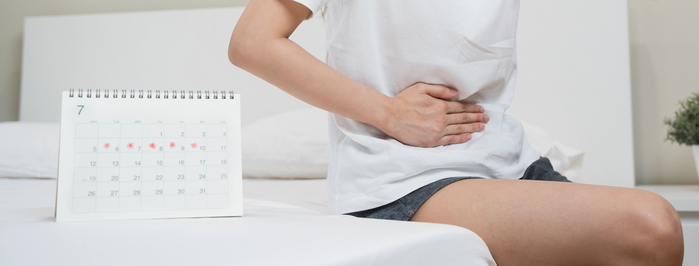
Bleeding Patterns and Flow
Light bleeding might suggest low estrogen levels or a thinner uterine lining, which can affect embryo implantation. On the flip side, very heavy periods might be tied to fibroids, hormone imbalance, or endometriosis. Bleeding between periods might signal ovulation or a hormonal issue. If your period is usually very short or very long, that could also mean your ovulation isn’t regular, which plays a big role in fertility. (Source: CDC)
Blood Color and Texture
Yes, the color and texture matter. Bright red usually means a steady, healthy flow, while darker blood often shows up toward the end of your period. If the blood is very pale or watery, it might reflect low hormone levels. Small clots aren’t unusual, but larger clots might be a sign of hormonal imbalance or other uterine issues. Changes in your period’s look or feel over time might show that something is shifting with your hormones.
Cramping and Other Symptoms
Cramps and mood swings are common, but pain that feels intense or that limits your daily life isn’t normal. Conditions like endometriosis or fibroids can cause painful periods and make it harder to get pregnant. Tracking symptoms like bloating, back pain, or irritability can reassure you and prepare you for a productive conversation with your doctor about what’s really going on. (Source: NHS)
Why It Matters
If your period has changed or just doesn’t feel normal for you, it’s wise to seek guidance from a fertility specialist. Even small differences can hint at hormone shifts or conditions that might affect your chances of conceiving. Many people use apps or journals to keep track of symptoms, and that information can be a valuable guide for doctors when figuring out next steps in your fertility journey.
Listening to Your Body
Your period is more than a routine. It’s your body’s way of telling you how things are going inside. By paying attention to the details like cycle length, bleeding, symptoms, and changes, you’re learning what’s normal for you. That knowledge helps you take control of your reproductive health and gives you a better shot at reaching your fertility goals.
Sources:
Natural Cycles - Naturalcycles.com/cyclematters/irregular-periods
NHS - Nhs.uk/conditions/endometriosis/
CDC - Cdc.gov/reproductive-health/women-health/common-concerns.html