




IVF and Thin Uterine Lining: Why Thickness Matters More Than You Think
What Is the Uterine Lining and Why It Matters
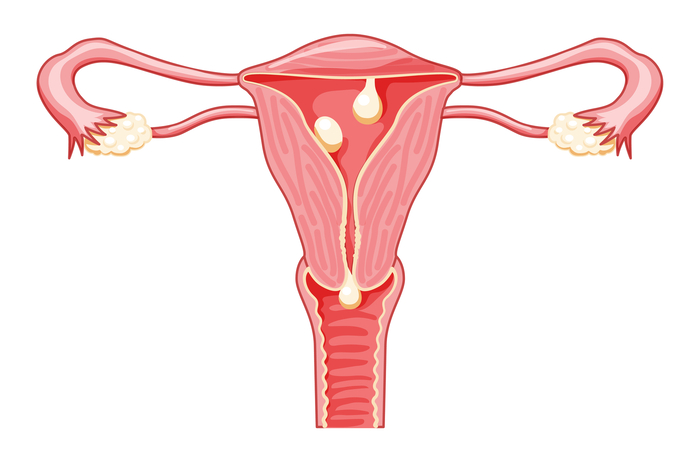
The uterine lining, also called the endometrium, is the layer that builds up each cycle to welcome a possible pregnancy. During IVF, your doctor will check to make sure it’s growing properly. A thick, healthy lining helps the embryo attach and grow. (Source: Science Direct) If it’s too thin, especially under 7 or 8 millimeters, it might be harder for implantation to happen. While it’s not impossible to get pregnant with a thin lining, it can be more difficult.
What Causes a Thin Lining?
Several factors can influence the thickness of the uterine lining. Hormone levels, particularly estrogen, are a significant factor. If estrogen levels are too low, the lining may not develop as it should. (Source: NIH) Past surgeries, infections, or scarring inside the uterus can also affect the lining’s ability to respond. Reduced blood flow to the uterus is another factor, as it limits the nutrients needed for healthy growth. Chronic stress or certain medications may also have an impact. A thin lining can potentially lead to difficulties in embryo implantation, which may result in a failed IVF cycle or early pregnancy loss. Therefore, it's important to be proactive in managing uterine lining health.
What Can Be Done About It
If your doctor notices a thin lining, there are several interventions they may suggest. Estrogen supplements, taken orally, as patches, or vaginally, are commonly used to support growth. In some cases, low-dose aspirin or vaginal sildenafil may be added to improve blood flow. Acupuncture, extra rest, and lifestyle changes such as reducing stress, maintaining a healthy diet, and regular exercise might also help. Each person’s plan will be tailored to their specific needs and circumstances. (Source: Alife)
Why It’s Worth Paying Attention To
Discovering a thin lining can be disheartening, especially after enduring so much on your IVF journey. However, it’s not a dead end. With the right support and care, many people still go on to have healthy pregnancies. What truly matters is being informed, asking questions, and collaborating closely with your fertility team. This knowledge should instill a sense of hope and optimism in your IVF journey.
Looking at the Bigger Picture
Successful IVF is not just about lab results. It’s about preparing your body to give the embryo the best possible start. The uterine lining, though not always in the limelight, plays a significant role in creating this supportive environment. Understanding its needs and actively supporting its growth could make a tangible difference in your journey, making you an active participant in your IVF success.
Sources:
Science Direct - Sciencedirect.com/science/article/pii/S0378603X15001953
NIH - Ncbi.nlm.nih.gov/articles/PMC8279064/
Alife - Alifehealth.com/blog/how-to-optimize-your-uterine-lining/