



What Is IVF?
IVF is one of those words people hear long before they actually understand what it means. Many imagine something complicated or overwhelming. But IVF is simply a medical way to help eggs and sperm meet when it has been difficult for the body to do that on its own. It has given millions of people the chance to build the family they hoped for, even when the journey felt uncertain.
When someone begins searching for information about IVF, the same questions often come up. How does IVF work? How long does it take? Does it hurt? And what can I expect from the process? Understanding these basics can make everything feel less frightening and a lot more manageable.
Why IVF Is Used
People come to IVF for many different reasons. Some have blocked fallopian tubes, low sperm count, or hormonal issues that affect ovulation. Others face endometriosis, PCOS, or unexplained infertility, where every test looks normal, but pregnancy still doesn’t happen. IVF is also a natural option for single parents by choice or lgbtq+ couples who need donor eggs, donor sperm, or both. Whatever the reason, IVF creates a safe, controlled environment for fertilization to happen. (Source: WHO)
How IVF Works Step by Step
The first step is ovarian stimulation. During this phase, small daily injections encourage the ovaries to grow several eggs at the same time. The needles are thin, and the injections go quickly. Most people say the emotional part of this phase is harder than the physical part. As the eggs grow, the clinic follows everything through ultrasound so they can choose the right moment for retrieval. (Source: NHS)
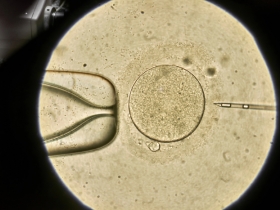
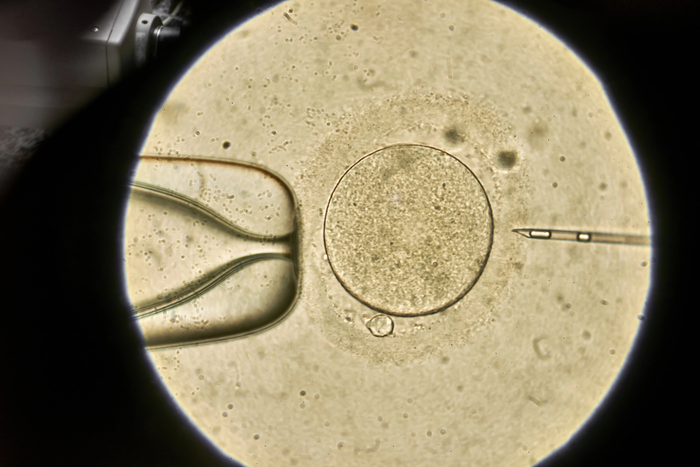
Egg retrieval is a short procedure done under light anesthesia. You are comfortable and relaxed the whole time. The eggs are collected, and then they are placed with sperm in a laboratory dish where fertilization takes place quietly on its own.
A day later, the first signs of embryo development begin. Over the next few days, the embryos continue to grow until one is chosen for transfer. The transfer feels simple and gentle. A thin catheter places the embryo into the uterus in just a few minutes. Most people describe the sensation as mild pressure, similar to a basic gynecological exam. (Source: Medline Plus)
The Emotional Part of IVF
People often prepare for the injections and the medical steps, but the part they feel the most is the two week wait after embryo transfer. Those days are filled with hope, fear, and everything in between. It is completely normal to feel emotional. IVF is not only a medical treatment. It is an experience that touches every part of life, and emotional support is just as important as physical preparation.
IVF Success and What Affects It
One of the most common searches online is “IVF success rates” or “chances of getting pregnant with IVF.” There is no exact number that fits everyone. Age, egg quality, sperm quality, genetic factors, lifestyle, and the treatment plan all play a role. While IVF cannot guarantee a pregnancy, it opens a door that many people thought was closed.
How Long Does IVF Take
A single IVF cycle usually takes four to six weeks from start to finish. Some people need more than one cycle, while others become pregnant on their first attempt. Bodies respond differently, and clinics adjust the plan based on how someone reacts to medication and how the embryos develop.
Sources:
WHO - WHO.int/news-room/fact-sheets/detail/infertility
NHS - NHS.uk/tests-and-treatments/ivf/
Medline Plus - MedlinePlus.gov/ency/article/007279.htm