



What Is an Embryo? A Simple Explanation in Fertility
When people start reading about fertility or IVF, the word embryo comes up almost immediately. It’s one of those words that sound important but aren't always clear. Many people nod along without really knowing what it means, or when an embryo actually exists. That uncertainty is very common, especially at the beginning of a fertility journey.
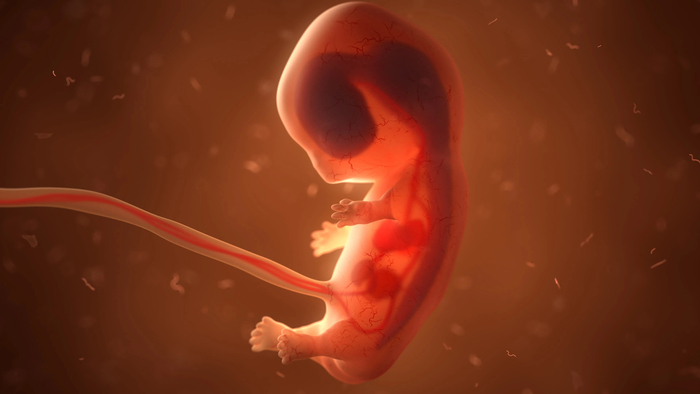
An embryo is the earliest stage of human development. It forms when an egg and a sperm meet, and fertilization happens. At that point, a single cell is created. That cell already contains all the genetic information needed for development. (Source: Wikipedia) Everything that might follow begins there, even though nothing can be seen or felt yet.
In the days following fertilization, that single cell begins to divide. Quietly. Naturally. One cell becomes two, then four, then many more. All of this happens without the body's awareness.
What Happens During the First Few Days
During the first few days, the embryo continues to grow through cell division. Around day five, many embryos reach the blastocyst stage. This is simply a phase where the embryo has started to organize itself. (Source: KhanAcademy)
At this point, different groups of cells already have different roles. One group will later develop into the baby. Another group supports implantation and placental formation. This stage is important because implantation usually occurs around this time.
Implantation is when the embryo attaches to the uterine lining. This is when the body begins responding more clearly. Hormones shift. Blood flow increases. Pregnancy can start to establish itself. Not every embryo implants. This is true for natural conception as well. Many embryos stop developing before implantation, often because of genetic or cellular reasons. This happens far more often than most people realize, but it’s rarely talked about.
Why Embryos Matter in Fertility
Embryos are central to fertility because they show how egg and sperm work together. Even when tests look normal, embryo development can reveal things that were not visible before. Some embryos continue growing steadily. Others slow down or stop early. This does not mean something failed. It reflects how selective early development naturally is.
In fertility treatment, observing embryos brings clarity. It helps explain why pregnancy may have been difficult, even when everything seemed fine on paper. It gives information that blood tests and scans alone cannot provide.
Embryos and IVF
In IVF, embryos develop in a laboratory for the first few days. This does not change how embryos grow. It simply allows those earliest stages to be observed.
Some embryos reach important milestones and continue developing. Others do not. This variation is expected and part of normal biology. IVF does not create problems that were not already there. It brings attention to what is happening at the very beginning.
The Human Side of the Word Embryo
For many people, embryos represent more than biology. They carry hope, effort, and often a long emotional journey. Learning what an embryo actually is can make the process feel less frightening and more understandable. (Source BCcampus)
An embryo is small, but the beginning it represents is deeply human. Whether conception happens naturally or through IVF, the same early steps unfold. Knowing this can help people feel calmer, more grounded, and better prepared for what comes next.
Sources:
Wikipedia - https://en.wikipedia.org/wiki/Embryo
KhanAcademy - https://www.khanacademy.org/mcat/cells/embryology/a/human-embryogenesis BCcampus - https://opentextbc.ca/biology/chapter/24-6-fertilization-and-early-embry...