



Can You Still Have IVF with Only One Ovary?
Finding out that you only have one ovary can be worrying, especially if you are thinking about having children in the future. Many women immediately wonder whether IVF will still be possible or whether their chances of pregnancy have been significantly reduced.
The good news is that having one ovary does not automatically mean you cannot conceive or have successful IVF treatment. In fact, many women with a single ovary go on to achieve pregnancy, both naturally and through fertility treatment.
Why Some Women Have Only One Ovary
There are several reasons why a woman may have only one ovary. Some have had surgery to remove an ovary because of a cyst, endometriosis, ovarian torsion, or another medical condition. Others may have lost an ovary after an ectopic pregnancy or because of complications that affected blood flow to the ovary. (The Womens)
Whatever the reason, it is common to worry that fertility has been affected.
While losing an ovary can reduce the total number of eggs available over a lifetime, it does not necessarily mean fertility has been cut in half.
How One Ovary Can Adapt
One thing many people do not realize is that the remaining ovary often adapts. Instead of taking turns each month, as people sometimes imagine, the body can continue ovulating regularly from the remaining ovary. Many women with one ovary still have normal menstrual cycles and continue releasing eggs each month. This is one reason why some women do not notice any major change in their fertility after surgery. Of course, every situation is different. Age, egg reserve, hormone levels, and overall reproductive health all play a role. (Source: Medical News Today)
What Happens During IVF?
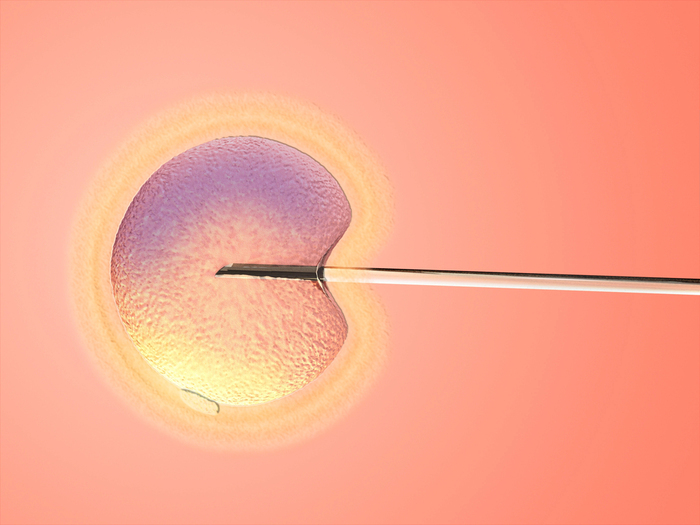
For women with one ovary, the IVF process is largely the same as it is for anyone else. The main difference is that doctors are monitoring follicles developing in one ovary rather than two. In some cases, this may mean fewer eggs are collected during retrieval. However, the number of eggs collected is only one part of the picture. Egg quality is often just as important as quantity.
Some women with one healthy ovary respond very well to stimulation medication and produce a good number of mature eggs. Others may produce fewer eggs but still create healthy embryos and achieve pregnancy. (Source: NCBI)
That is why fertility specialists focus on the individual patient rather than simply counting ovaries.
Looking at the Bigger Picture
When women hear they have one ovary, it is easy to assume the worst. In reality, fertility depends on many different factors working together. Ovarian reserve, age, sperm quality, embryo development, and uterine health all influence the chances of success.
Having one ovary is simply one part of that picture.
For many women, it becomes far less important than they initially feared. If you have one ovary and are considering IVF, the best place to start is with a fertility assessment. A few simple tests can give a much clearer picture of your individual situation and help determine the most appropriate path forward. One ovary may change part of the journey, but it does not mean the journey has to end. Sources:
The Womens - https://www.ncbi.nlm.nih.gov/books/NBK560675/
Medical News Today - https://www.medicalnewstoday.com/articles/ovarian-reserve-testing#overview NCBI - https://www.ncbi.nlm.nih.gov/books/NBK560675/