



The Difference Between Egg Donation and Embryo Donation
When people begin exploring fertility treatment, they often come across terms they have never heard before. Two of the most commonly misunderstood options are egg donation and embryo donation. While they may sound similar at first, they are actually quite different.
Understanding the difference can help patients feel more confident when discussing treatment options and deciding what may be right for them.
What Happens During Egg Donation
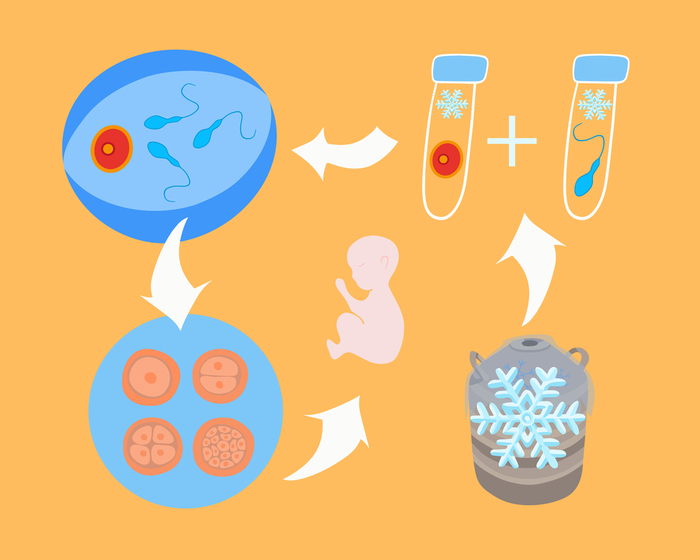
Egg donation involves using eggs from a donor to create embryos. The donated eggs are fertilized with sperm, either from a partner or a donor, and the resulting embryo is then transferred to the uterus. (Source: Health.NY.gov)
For many patients, this option is recommended when healthy eggs are no longer available. This may be due to age, diminished ovarian reserve, previous medical treatment, or repeated IVF cycles that have not been successful.
One important thing to understand is that with egg donation, the child will still have a genetic connection to the sperm provider. For couples using donor eggs and the male partner's sperm, this means the child is genetically related to one parent. For some patients, that genetic connection feels very important. For others, the focus is simply on finding the treatment option that offers the best chance of pregnancy.
How Embryo Donation Is Different
Embryo donation involves transferring an embryo that was created using both donated eggs and donated sperm. This means neither intended parent has a genetic connection to the embryo. (Source: Reproductive Facts) The embryo is transferred to the uterus in much the same way as a frozen embryo transfer cycle. The person carrying the pregnancy still experiences pregnancy, childbirth, and all the physical and emotional aspects of becoming a parent. The main difference is that the embryo itself was created from donated reproductive cells before treatment began.
For some people, embryo donation becomes an option after multiple unsuccessful fertility treatments. Others consider it because of medical conditions, genetic concerns, or fertility challenges affecting both partners.
Why the Decision Can Feel Emotional
The medical differences between egg donation and embryo donation are relatively easy to explain. The emotional side is often more complex. Many patients find themselves thinking about genetics, family connections, and what parenthood means to them. These are deeply personal questions, and there is rarely a right or wrong answer. For some people, having a genetic connection through sperm donation and donor eggs feels like the best path forward. Others feel comfortable with embryo donation and focus more on the experience of carrying and raising a child. (Source: NCBI)
Which Option Is Right for You?
There is no single answer to that question. The best choice depends on medical history, fertility diagnosis, personal preferences, and how each individual or couple feels about genetic connections and family building. That is why fertility clinics spend time discussing these options in detail before treatment begins. Understanding both the medical and emotional aspects helps patients make informed decisions that feel right for their situation.
Sources:
Health.NY.gov - https://www.health.ny.gov/community/pregnancy/surrogacy/donor_egg_fact_s...
Reproductive Facts - https://www.reproductivefacts.org/gamete-eggs-and-sperm-and-embryo-donat...
NCBI - https://pmc.ncbi.nlm.nih.gov/articles/PMC7192012/