



Blastocyst Stage Explained: Why This Phase Matters in Fertility and IVF
When people start learning about IVF or embryo development, the blastocyst stage often comes up as an important milestone. It can sound technical at first, but the idea behind it is actually quite simple. The blastocyst stage refers to a specific moment in early embryo development, and understanding it can help make fertility treatment feel clearer and less intimidating.
The blastocyst stage usually happens around day five after fertilization. By this point, an embryo has gone through several rounds of cell division and has reached a stage where it is more organized and more prepared for implantation. This stage matters because it closely matches what happens in the body during natural conception.
What Happens Before an Embryo Becomes a Blastocyst
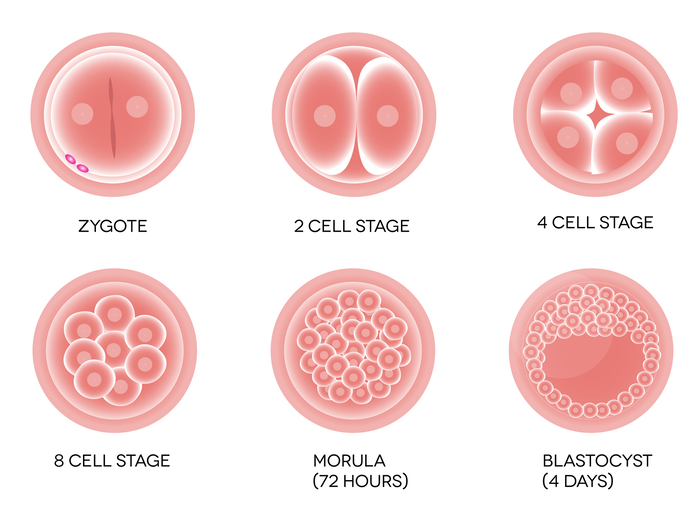
After fertilization, an embryo starts as a single cell. Over the next few days, it divides into two cells, then four, then many more. During these early days, the embryo is growing but still very compact. All the cells look similar, and the structure is simple.
Around day five, a shift happens. The embryo forms a small fluid-filled space and begins to separate into different cell groups. This is when it becomes a blastocyst. At this stage, the embryo is no longer just dividing. It is organizing itself in preparation for the next step. (Source: Embryology)
What Makes the Blastocyst Stage Different
A blastocyst has two main parts. One group of cells will later develop into the baby. Another group of cells supports implantation and the formation of the placenta. This division of roles is important because it shows that the embryo has reached a level of development that allows it to interact with the uterus. This is also the stage when implantation usually happens in natural conception. The embryo attaches to the uterine lining and begins communicating with the body. Hormones shift, blood flow increases, and pregnancy can start to establish itself. Reaching the blastocyst stage does not guarantee implantation, but it means the embryo has reached a key developmental point.
Why the Blastocyst Stage Matters in IVF
In IVF, embryos are often grown in the laboratory until they reach the blastocyst stage. This allows embryologists to observe how embryos develop during those first few days. Some embryos reach the blastocyst stage on time. Others stop growing earlier. (Source: Science Direct)
This information can be helpful. It gives doctors insight into embryo development that cannot be seen in natural conception. Transferring a blastocyst can also help align the timing of embryo transfer with the natural implantation window of the uterus.
It is important to remember that embryos developing to the blastocyst stage are a natural selection process. Not all embryos are expected to reach this point. This happens in the body as well, even though it usually goes unnoticed. (Source: Britannica)
Blastocyst Stage and Emotional Expectations
For many people, hearing that an embryo has reached the blastocyst stage brings hope. It can feel like a sign that things are moving in the right direction. At the same time, it can create pressure or anxiety. Reaching the blastocyst stage is a positive step, but it is not a promise. Embryo development is complex, and many factors influence implantation and pregnancy. Understanding what the blastocyst stage really means can help balance hope with realistic expectations.
Sources:
Embryology - https://embryology.med.unsw.edu.au/embryology/Blastocyst_Development Science Direct - https://www.sciencedirect.com/topics/medicine-and-dentistry/blastocyst Britannica - https://www.britannica.com/science/preimplantation-genetic-diagnosi