



Fertility After Cesarean Section or Other Uterine Surgery
Many people who have had a cesarean section or uterine surgery wonder how it might affect their ability to conceive again. It’s a common concern, and the truth is that most go on to have healthy pregnancies. Still, understanding how scar tissue, healing, and uterine health come together can make a real difference when planning for the future.
How Surgery Can Affect the Uterus
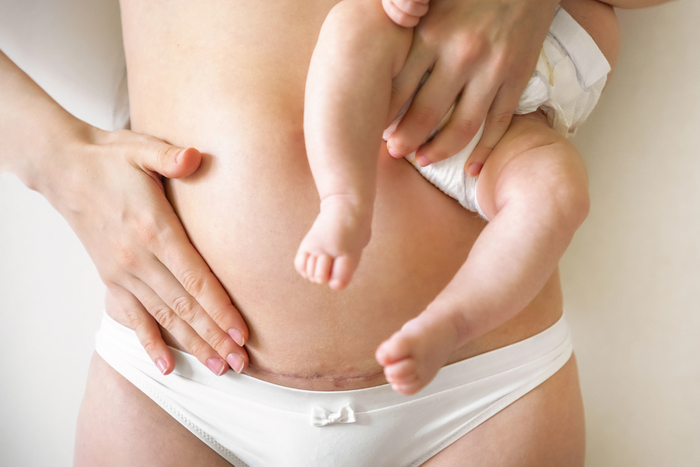
During a cesarean section, doctors make an incision through the abdominal wall and uterus to deliver the baby. The uterus then heals naturally, but like any surgery, it can leave behind scar tissue. In most cases, this doesn’t cause any problems. However, in some people, thicker scar tissue or internal adhesions can form, sometimes changing the shape or flexibility of the uterus. (Source: Spandidos Publication)
Certain gynecological surgeries, such as fibroid removal (myomectomy), polyp removal, or treatment for a uterine septum, can also create small areas of scar tissue inside the uterus. These are usually minor, but if scar tissue builds up more extensively, it can affect implantation or cause difficulty conceiving. This condition is known as intrauterine adhesions or Asherman’s syndrome. Thankfully, it’s rare and often treatable. (Source: PMC)
Healing and Recovery Before Trying Again
The uterus is a remarkable organ that heals quickly and efficiently. After a cesarean section, most doctors recommend waiting at least six months to a year before trying to conceive again. This allows the uterine wall to regain full strength and lowers the risk of complications in a future pregnancy. If you had a myomectomy or other uterine surgery, your doctor might suggest a similar waiting period depending on how deep the incisions were. (Source: IMR Press)
Before starting fertility treatments or trying naturally, it’s a good idea to have a check-up or imaging test to confirm that the uterine lining has healed properly. Ultrasound, saline sonography, or hysteroscopy can help your doctor see if there’s any scarring or structural change that might affect implantation.
Fertility Treatments After Uterine Surgery
Having had a cesarean or other uterine surgery doesn’t mean IVF or other fertility treatments won’t work. In fact, many people with previous surgeries go through IVF successfully. However, doctors often monitor the uterine lining more closely to make sure it’s thick and uniform enough for embryo transfer.
If there’s scarring or irregular tissue, minor procedures can often correct it. Intrauterine adhesions can be removed through hysteroscopic surgery, restoring a smooth lining for embryo implantation. Your doctor may also recommend supportive medications or therapies to improve blood flow and promote healing before starting treatment.
Caring for Your Body and Uterus
The period after surgery is an important time to rebuild strength and nourish your body. Eating iron-rich foods, staying hydrated, and focusing on gentle activity all support healing. Stress management, adequate sleep, and patience are just as important.
A Hopeful Outlook
Most people who’ve had a cesarean or uterine surgery conceive again successfully, either naturally or with support from fertility treatments. What matters most is giving your body time to recover and working with your medical team to assess the uterus before trying again. With today’s advanced imaging and treatment options, uterine healing can be closely monitored and supported.
Sources:
Spandidos Publication - Spandidos-publications.com/10.3892/etm.2024.12572
PMC - PMC.ncbi.nlm.nih.gov/articles/PMC12026105/
IMR Press - Imrpress.com/journal/CEOG/48/4/10.31083/j.ceog4804125/html