



How Fibroids Can Affect Fertility and What You Can Do About It
Fibroids are more common than many realize, and for some people, they can quietly affect the journey toward pregnancy. These noncancerous growths in the uterus often appear during reproductive years and can vary in size from very small to several centimeters. Most fibroids cause no problems at all, but depending on where they are and how large they become, they can sometimes interfere with conception or pregnancy.
What Fibroids Actually Are
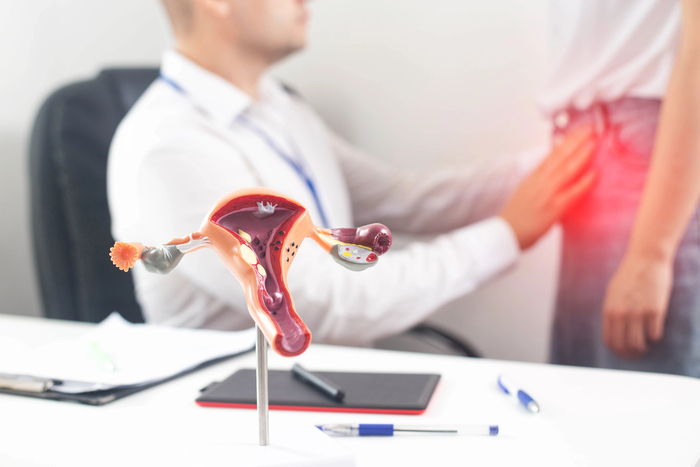
A fibroid is made of muscle tissue that grows within or on the uterus. They can develop in different places: inside the uterine cavity, within the muscle wall, or on the outside surface. Doctors usually classify them as submucosal, intramural, or subserosal, depending on their location. The position of a fibroid can make a big difference when it comes to fertility.
Submucosal fibroids, which grow inside the uterine cavity, are the ones most likely to affect conception or embryo implantation. They can change the shape of the uterine lining, making it harder for an embryo to attach. Intramural fibroids, found within the uterine wall, may also impact fertility if they grow large enough to distort the uterus. Subserosal fibroids, on the outer surface, rarely cause problems with conception but can sometimes create pressure or discomfort. (Source: Oxford Academic)
How Fibroids Can Influence Fertility
Fibroids can make it more difficult to get pregnant for several reasons. In some cases, they can block the fallopian tubes, preventing sperm and egg from meeting. They can also affect the blood flow to the uterine lining, which can lower the chances of successful implantation. Even after conception, fibroids can slightly increase the risk of miscarriage or complications like preterm birth or breech positioning, depending on their size and location. (Source: Science Direct)
It’s important to note that many people with fibroids conceive and carry healthy pregnancies without any issues. The impact varies greatly from person to person. The size, number, and placement of the fibroids matter more than their presence alone.
Diagnosis and Treatment Options
Fibroids are usually discovered during a routine pelvic exam or through an ultrasound. If they’re suspected to affect fertility, your doctor might recommend additional imaging, such as hysterosonography or MRI, to see exactly where they are.
Treatment depends on your symptoms, reproductive goals, and the characteristics of your fibroids. Small fibroids that don’t interfere with the uterine cavity often don’t require removal. For larger or cavity-distorting fibroids, surgical removal, called myomectomy, can improve fertility outcomes. It’s a common and safe procedure when performed by experienced specialists, and many people go on to conceive naturally afterward. (Source: ASMR)
Taking Care of Your Fertility
Living with fibroids doesn’t mean your fertility journey is over. It simply means that you and your doctor may need to plan carefully and closely monitor the situation. Maintaining a balanced lifestyle, managing stress effectively, and staying informed about your reproductive health can make a significant difference. Early evaluation and open communication with your healthcare team are key.
Sources:
Oxford Academic - Academic.oup.com/humrep/article/38/11/2045/7285837
Science Direct - ScienceDirect.com/science/article/abs/pii/S1472648321001413
ASRM - https://www.asrm.org/practice-guidance/removal-of-myomas-in-asymptomatic...