




Inside the IVF Lab: Where Science Meets New Beginnings
What the IVF Lab Looks Like
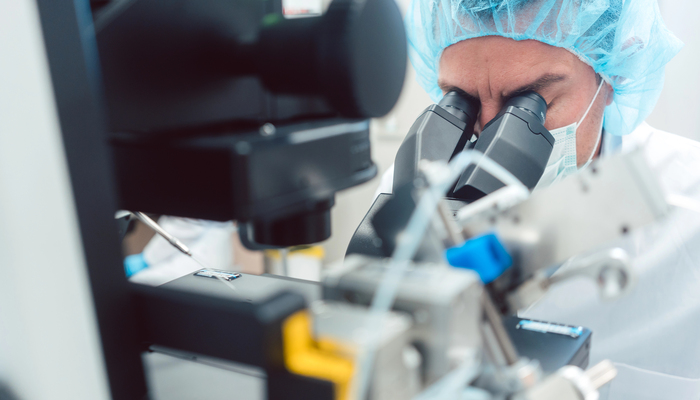
An IVF laboratory isn’t packed with loud machines or wires. Instead, it’s calm, quiet, and extremely clean. The air is filtered to protect the delicate cells, and staff wear sterile clothing to prevent contamination. Every surface is spotless, and temperature and humidity are tightly controlled. It’s all about creating the ideal environment for fertilization and embryo development.
From Collection to Preparation
After the eggs are retrieved, they’re placed in a solution that mimics the conditions of the human body. This helps keep the eggs healthy while they wait for fertilization. (Source: RBMOJournal) On the other side, sperm are prepared by separating the healthiest ones from the rest. This step is crucial because only strong, active sperm are used for fertilization. The lab team focuses on selecting the sperm with the best movement and shape to support better embryo development.
How Fertilization Happens
Depending on the situation, fertilization can happen in two ways. In some cases, the eggs and sperm are placed together in a dish and allowed to fertilize naturally. If sperm quality is lower or if previous cycles were unsuccessful, a method called ICSI might be used. This involves injecting a single sperm directly into each egg with a fine needle. (UCSF Health) Both methods aim to give the best possible chance of successful fertilization. The chosen method depends on the couple's medical history and is tailored to their specific needs.
Watching the Embryos Grow
Once fertilization occurs, the embryos are placed in incubators. These high-tech chambers provide the right conditions for growth and development. Embryologists check on the embryos daily, looking at things like how many cells they have, whether they’re dividing properly, and if they reach the blastocyst stage. Only the healthiest embryos will be considered for transfer. Some labs even use time-lapse imaging to closely track how embryos grow, helping embryologists choose the most promising one.
Why the IVF Lab Matters
Small details make a big difference during the early stages of life. A slight shift in temperature, air quality, or timing can impact embryo quality. That’s why IVF labs follow strict protocols, use advanced equipment, and have highly trained staff. It’s not just science at work. It’s a controlled environment built to support your journey to parenthood. (Source: Science Direct) Behind every fertilization process is a skilled team doing everything they can to help turn hope into reality.
More Than Just a Lab
For many people, the IVF lab feels far away from the emotional side of treatment. But behind those doors, there’s care, expertise, and hope. Each step taken by the team is focused on giving your future family the best possible start. Understanding what goes on in the lab can help you feel more connected to the process and reassured by the science supporting your journey.
Sources:
RBMOJournal - Rbmojournal.com/article/S1472-6483(10)61625-2/pdf
UCSFHealth - UCSFHealth.org/education/faq-intracytoplasmic-sperm-injection
Science Direct - ScienceDirect.com/science/article/pii/S1472648319307540