




IVF After 35 - What Really Changes
When people hear the words IVF after 35, a lot of thoughts tend to surface at once. Sometimes it’s a concern. Sometimes it’s urgency. Sometimes it’s a quiet fear that time has already decided the outcome. Many people carry these thoughts silently, long before they ever sit down with a doctor. That uncertainty is very common, and it deserves space to be understood rather than rushed.
Fertility does not suddenly stop at 35. The body does not change overnight. What happens instead is a gradual shift. Subtle at first. Then it becomes more noticeable. IVF after 35 is about understanding those changes and working with them, rather than against them. (Source: Varta)
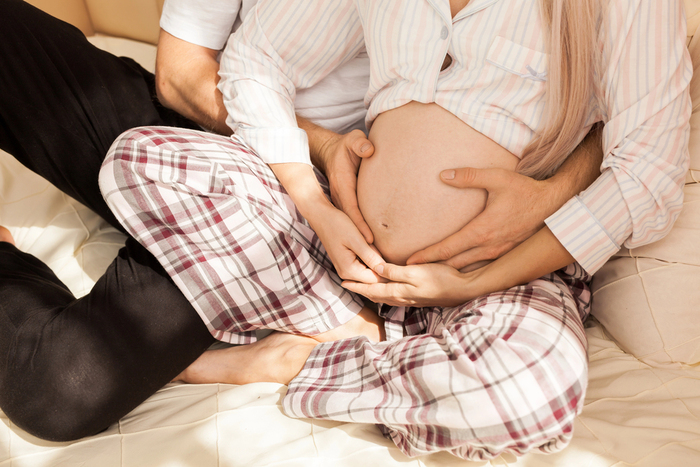
What Changes After 35
One of the most important changes after 35 is egg quality. Eggs are still released, and ovulation still happens, but the chance of chromosomal changes increases with age. This can affect fertilization, embryo development, and implantation. It is not a personal failure. It is part of normal biology. Egg quantity also begins to decline. The ovaries may respond differently to stimulation during IVF, often producing fewer eggs than at a younger age. This can feel discouraging, but numbers alone do not define success. One healthy embryo can be enough. (Source: NCBI)
Hormonal patterns may also shift. Cycles can become slightly shorter, and ovulation timing may change. These are natural age-related changes, and they are taken into account when planning IVF treatment.
How IVF Adapts After 35
IVF after 35 is often more individualized. Doctors pay close attention to how the ovaries respond, how embryos grow, and how the uterine lining develops. The focus moves away from quantity and toward understanding quality.
Embryo development is closely observed. Many embryos are grown to the blastocyst stage to see better how they organize and progress. This helps identify embryos that have reached a key developmental point. In some cases, additional testing is discussed. Not because something is wrong, but because clearer information helps guide decisions. IVF after 35 is less about guessing and more about clarity.
What Often Stays Strong
While egg quality changes with age, the uterus is often much more resilient. Many people over 35 have a uterine environment that is fully capable of supporting a pregnancy. This is an important part of the picture and one that is sometimes overlooked.
Overall health also plays a meaningful role. Everything around sleep, nutrition, and stress levels. These factors influence how the body responds to treatment. Addressing underlying health concerns can support IVF outcomes at any age.
The Emotional Side of IVF After 35
After 35, IVF can feel emotionally heavier. There may be a sense of limited time, even when options still exist. It is important to remember that pressure does not improve results. (Source: WHO) IVF at this stage is not about being late. It is about being informed. It is about knowing what has changed, what has not, and what the body still does well. When people better understand their bodies, the process can feel less overwhelming.
Sources:
Varta - https://www.varta.org.au/women-are-often-told-their-fertility-falls-clif... NCBI - https://pmc.ncbi.nlm.nih.gov/articles/PMC7721003/
WHO - https://www.who.int/news-room/fact-sheets/detail/infertility