




Monitoring Early Pregnancy After IVF
After all the waiting, injections, and hope that come with IVF, the moment you see a positive pregnancy test feels life-changing. But that’s only the beginning of a new stage, monitoring early pregnancy after IVF. During these first weeks, close medical observation helps ensure everything is progressing safely, while also giving you reassurance and understanding of what’s happening inside your body.
The First Two Weeks After Transfer
The early days after embryo transfer are often filled with anticipation. Most clinics schedule a blood test, known as a beta hCG test, about 10 to 14 days after the transfer. This test measures the level of human chorionic gonadotropin, the hormone that signals a developing pregnancy. A healthy, rising hCG level usually indicates that the embryo has implanted successfully. (Source: NCBI)
It’s important to remember that the exact number can vary widely between people. What matters most is how the number changes over time. Typically, hCG levels should double every two to three days in early pregnancy. If the numbers rise steadily, it’s a positive sign that the pregnancy is developing as it should.
Ultrasound and Early Development
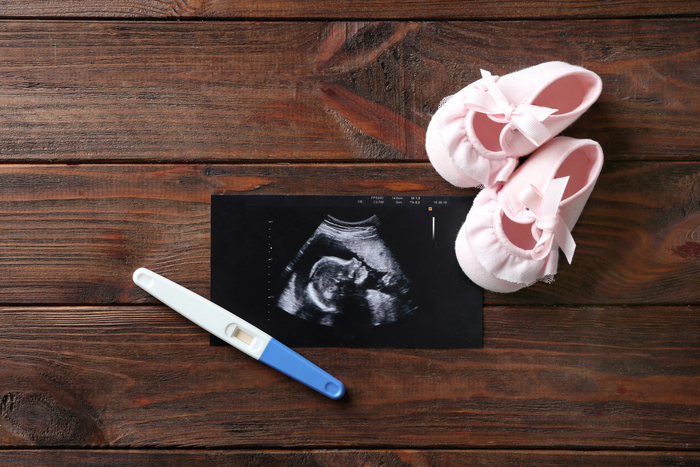
Once hCG levels reach a certain point, usually around the fifth or sixth week of pregnancy, your doctor will schedule an early ultrasound. This first scan confirms that the pregnancy is in the uterus and checks the gestational sac and yolk sac. Around the sixth or seventh week, the heartbeat can often be seen for the first time. (Source: NIH)
For couples who have been through IVF, this ultrasound can be both exciting and emotional. It provides reassurance that all the effort and waiting have led to something real and growing. However, it’s also common to feel anxious before each check. This emotional mix is completely normal after fertility treatment.
Why Monitoring Matters
Close monitoring after IVF isn’t only about detecting potential problems early. It’s also a way to understand how your body responds and to make sure you’re supported at every step. Doctors look at hormone levels like progesterone and estrogen, which help maintain the uterine lining and support the early pregnancy. If any values are low, medication can be adjusted quickly.
Monitoring can also help detect complications such as ectopic pregnancy, which occurs when the embryo implants outside the uterus, or chemical pregnancy, when implantation begins but stops too early. Early detection means faster treatment and better outcomes for future cycles if needed. (Source: AAFP)
Caring for Yourself During This Time
While your medical team monitors your progress, it’s just as important to care for yourself emotionally. Many people describe this stage as one of cautious optimism. You might feel joy, fear, and disbelief all at once. And that’s completely valid. Try to focus on gentle routines that bring calm, like short walks, deep breathing, or writing down your thoughts.
Staying connected with your partner or a trusted friend can make a big difference. It helps to share your feelings instead of keeping them inside. These weeks are delicate, but they’re also filled with possibility.
Sources:
NCBI - NCBI.nlm.nih.gov/books/NBK556135/
NIH - Nih.gov/articles/PMC7065984/
AAFP - AFFP.org/pubs/afp/issues/2020/0515/p599.html