



What Happens to Your Body During IVF Stimulation
Starting IVF treatment often means learning a completely new set of medical terms and steps. One of the earliest and most important parts of the process is ovarian stimulation. This phase prepares the ovaries to produce multiple eggs instead of the single egg that usually develops during a natural cycle. Understanding what happens in the body during IVF stimulation can make the experience feel less overwhelming and easier to follow.
Why IVF Stimulation Is Needed
In a natural menstrual cycle, the body typically matures one egg each month. During IVF, doctors aim to collect several eggs at once because not every egg will fertilize or develop into a healthy embryo. Ovarian stimulation helps increase the number of eggs available for fertilization, which can improve the chances of creating viable embryos. (Source: Invitra)
To make this happen, patients take fertility medications that contain hormones similar to those produced naturally by the body. These medications stimulate the ovaries and encourage several follicles to grow at the same time. Follicles are small fluid-filled sacs inside the ovaries, and each follicle usually contains one egg. As the follicles grow, the body begins producing higher levels of estrogen. This hormone plays an important role in the development of the eggs and also helps prepare the uterine lining for a possible pregnancy.
How the Ovaries Respond to Fertility Hormones
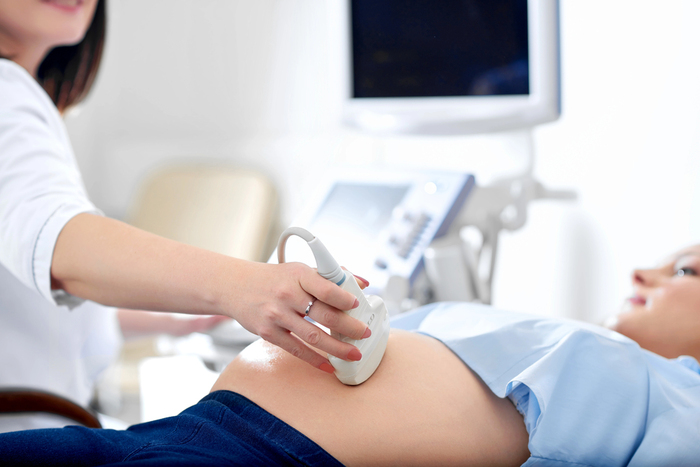
During IVF stimulation, the ovaries become more active than usual. Instead of focusing on a single follicle, they begin developing multiple follicles at once. Ultrasound scans are used throughout the stimulation phase to measure the size and number of follicles that are growing.
Blood tests are also used to monitor hormone levels, especially estrogen. Rising estrogen levels usually indicate that the follicles are developing as expected. (Source: Reproductive Facts)
Doctors adjust medication doses when necessary to support healthy follicle growth while reducing the risk of overstimulation.
Because the ovaries are working harder than normal, many patients notice physical changes during this phase. The ovaries can become slightly enlarged as the follicles grow. This can lead to mild bloating or a feeling of fullness in the lower abdomen. These sensations are common and often become more noticeable as the stimulation phase progresses.
Common Physical and Emotional Changes
Hormonal stimulation affects the body in several ways. Many people experience temporary symptoms related to rising hormone levels and ovarian activity. Bloating, mild abdominal pressure, and breast tenderness are frequently reported during IVF stimulation. Some patients also notice fatigue or mild headaches. (Source: NCBI)
Preparing for the Next Step in IVF
IVF stimulation usually lasts about eight to fourteen days. During this time, doctors track follicle growth until several follicles reach a size that suggests the eggs inside are mature. At that point, a final medication known as a trigger injection is given to prepare the eggs for retrieval.
Egg retrieval is scheduled shortly after the trigger injection. By this stage, the body has completed the stimulation phase, and the ovaries have produced multiple mature eggs ready for collection. Sources:
Invitra - https://www.invitra.com/en/number-of-eggs-obtained/
Reproductive Facts - https://www.reproductivefacts.org/ovarian-reserve-predicting-fertility-p... NCBI - https://pmc.ncbi.nlm.nih.gov/articles/PMC8659360/