



What to Eat During IVF Stimulation and Why It Matters
Starting IVF stimulation often makes people look at their daily habits a little differently. Questions about exercise, sleep, supplements, and food suddenly feel much more important, especially when every step of treatment seems to matter.
Although there is no special IVF diet that guarantees success, eating well during stimulation can help support your overall health while your body responds to fertility medication. It is less about finding one "perfect" food and more about giving your body the nutrients it needs during a demanding stage of treatment.
Why Nutrition Becomes More Important During Stimulation
During ovarian stimulation, the ovaries are encouraged to produce multiple mature eggs rather than the single egg that typically develops in a natural cycle. As hormone levels change, it is completely normal to feel more tired, bloated, or emotionally sensitive than usual. (Source: Medline Plus)
A balanced diet cannot prevent these symptoms entirely, but it can help you feel better supported throughout the process. Eating regular meals, staying hydrated, and choosing nutrient-rich foods may also help maintain energy levels during what can be a physically and emotionally busy time. Rather than focusing on individual foods, fertility specialists usually recommend looking at your eating habits as a whole.
Building Meals Around Simple, Nutritious Foods
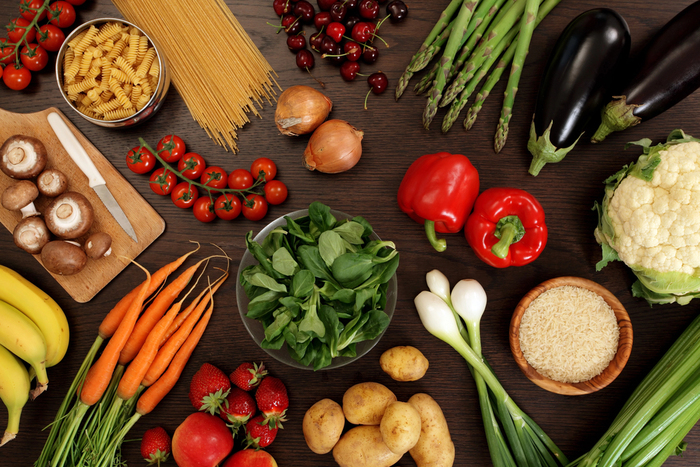
One of the easiest approaches is to build meals around foods that are already known to support general health. Vegetables, fruit, whole grains, beans, nuts, seeds, lean protein, eggs, fish, and healthy fats all provide nutrients the body uses every day. (Source: NCBI)
Protein is particularly important during stimulation because it helps support normal body functions and may help you feel fuller for longer. Healthy fats, such as those found in olive oil, avocados, and oily fish, are also an important part of a balanced diet.
This does not mean every meal has to be perfect. One takeaway or a slice of cake will not undo your treatment. Looking at your overall eating pattern is far more helpful than worrying about individual meals.
Don't Forget About Fluids
Drinking enough water is another simple habit that can make a difference. Some women notice increased bloating during stimulation, and staying well hydrated can help support normal body function throughout treatment. (Source: ThisisNeeded)
It can also be worth limiting alcohol during IVF and keeping caffeine within the amount recommended by your fertility specialist. For most people trying to conceive, this means no more than around 200 milligrams of caffeine per day. Small, realistic changes are often easier to maintain than completely changing the way you eat overnight.
Food Is Only One Part of the Picture
It is easy to feel as though every meal could influence the outcome of IVF. That pressure can quickly become overwhelming. The reality is that successful treatment depends on many factors, including age, egg quality, sperm quality, embryo development, and overall reproductive health. Nutrition plays a supportive role, but it is only one piece of a much bigger picture.
Sources:
Medline Plus - https://medlineplus.gov/ency/article/007294.htm
NCBI - https://pmc.ncbi.nlm.nih.gov/articles/PMC7190876/
ThisisNeeded - https://thisisneeded.com/blogs/how-much-water-should-i-drink-while-pregn...