



Why Do IVF Embryo Numbers Drop So Quickly?
Egg retrieval can end with a number that feels encouraging. Perhaps ten eggs were collected, and for a moment, it is easy to imagine that this could mean ten embryos.
Then the updates begin. Not every egg is mature. Fewer fertilize.
Over the next few days, the number may drop again as the embryos develop. By the time your clinic calls with the final update, you might be wondering how the numbers changed so much in less than a week. This drop can be difficult to watch, but it is a normal part of IVF.
The First Change Happens Before Fertilization
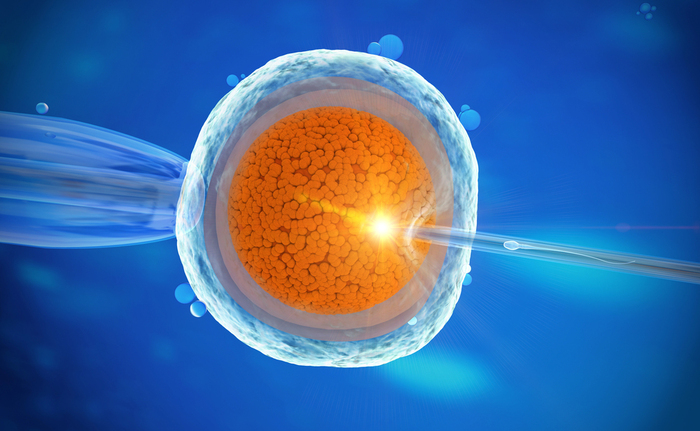
After retrieval, the embryology team examines the eggs to see which are mature. An egg must reach the right stage of development to be successfully fertilized. This means the number of eggs collected and the number available for fertilization may already be different. Then fertilize the mature eggs using conventional IVF or ICSI, depending on your treatment. Even at this stage, not every egg will fertilize normally. (Source: Mayo Clinic)
Your first embryo update may therefore contain several different numbers, each describing a different step rather than a sudden loss of embryos.
Why Do Some Embryos Stop Developing?
After fertilization, embryos divide and change rapidly. Embryologists monitor this development over the following days. An embryo may begin developing normally but then slow down or stop before reaching the blastocyst stage, which usually happens around day five or six. Early embryo development is biologically complex, and not every fertilized egg can continue through every stage. Factors involving the egg and sperm can both play a role, and chromosomal abnormalities become more common as egg age increases. (Source: Wikipedia)
The IVF Funnel Can Feel Harsh
You might begin with 12 eggs, hear that nine were mature, then that seven fertilized. A few days later, perhaps three have reached the stage needed for transfer or freezing. Seeing the numbers written that way can make it feel as though something has gone badly wrong. But IVF does not begin with a group of embryos and gradually lose them. Each stage tells the embryology team which eggs and embryos completed the next biological step. (Source: ASRM)
What Does the Final Number Mean?
A large number of eggs can create more opportunities, but IVF success isn't determined by how many you start with. Your fertility team will look at the whole cycle, including egg maturity, fertilization, embryo development, and the quality of any embryos available for transfer or freezing. If the number falls more than expected, what happened during those stages may also provide useful information when planning future treatment. The days after egg retrieval can sometimes feel like a countdown in the wrong direction. Ten becomes eight, eight becomes six, and six may become two or three. But those numbers are not simply disappearing. Each update shows what happened at another stage of development. By the end, the number may be much smaller than when you started. What matters now is the embryo, or embryos, that made it through those steps and what they may offer for the next stage of treatment.
Sources:
Wikipedia - https://en.wikipedia.org/wiki/Blastocyst
ASRM - https://www.asrm.org/advocacy-and-policy/fact-sheets-and-one-pagers/it-t... Mayo Clinic - https://www.mayoclinic.org/tests-procedures/in-vitro-fertilization/about...