


Egg Donation in IVF: Another Path to Pregnancy
For someone who has been through fertility treatment using their own eggs, being told that egg donation may be the next option can feel like a major change in direction. Donor egg IVF uses eggs from another woman to create embryos for treatment. It may be considered when producing suitable eggs is difficult, previous IVF attempts have been unsuccessful, or there is a medical or genetic reason why using a patient’s own eggs may not be recommended. For others, donor eggs are part of the plan from the beginning.
Understanding How Egg Donation Works
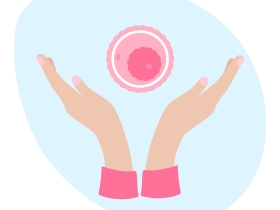
Egg donation is a process where a fertile woman, known as the donor, donates her eggs to be used in another woman’s IVF treatment. (Source: ReproductiveFacts) Doctors retrieve the donor’s eggs through a medical procedure, fertilize them with sperm in a laboratory, and transfer the resulting embryos to the recipient’s uterus. This procedure offers a viable path to parenthood for individuals who are unable to conceive using their own eggs due to various medical reasons.

When Egg Donation Becomes an Option
The decision to use donor eggs can come at different stages of fertility treatment. It may be discussed when ovarian reserve is very low, the ovaries are no longer producing eggs, or previous IVF cycles have shown that treatment with a patient’s own eggs is unlikely to succeed. Egg donation may also be considered when there is a significant risk of passing on a genetic condition. For others, donor eggs are part of building a family when pregnancy would not otherwise be possible with their own eggs.
Moving from IVF with your own eggs to considering a donor can be a big decision. It changes one part of the genetic connection, but the recipient still experiences the pregnancy herself, from embryo transfer through birth.
The Egg Donation Process Step by Step
The egg donation process begins with selecting a suitable donor. Once a donor is chosen, she undergoes hormonal stimulation to encourage multiple eggs to develop. The lab then retrieves these eggs in a minor surgical procedure and fertilizes them using advanced IVF techniques. The resulting embryos are monitored for growth and development before one or more are transferred into the recipient’s uterus, marking a significant milestone in the journey toward parenthood. (Source: Health.NY)
The Role of Technology in Donor Egg IVF
Advanced laboratory techniques can play an important role in egg donation treatment. Preimplantation Genetic Testing (PGT) can test embryos for certain genetic or chromosomal conditions before transfer. (Source: NIH)
Not every patient using donor eggs will need PGT. Whether it is recommended depends on the circumstances, including the type of testing being considered and the medical history of those involved. Other developments in IVF laboratories have also changed how clinics manage donor egg treatment. Improved freezing techniques allow eggs and embryos to be stored more effectively, while modern embryo monitoring gives embryologists detailed information about development before transfer.
Sources:
ReproductiveFacts - https://www.reproductivefacts.org/fact-sheets-and-infographics/egg-donat... Health.NY - https://www.health.ny.gov/community/pregnancy/surrogacy/donor_egg_fact_s... NIH - https://pmc.ncbi.nlm.nih.gov/articles/PMC12469648/