



Laser Assisted Hatching in IVF: Do All Embryos Need Help to Hatch?
An embryo has already been through several stages by the time it is ready for transfer. One important step remains: it must break free from the thin outer layer surrounding it before implantation can occur. This process is known as hatching, and embryos normally do it themselves.
During IVF, you may hear about a laboratory technique called laser assisted hatching, or LAH. It sounds like it gives an embryo an extra helping hand, but that also raises an obvious question. If hatching is part of normal embryo development, why would a laser be needed?
Helping With a Process That Happens Naturally
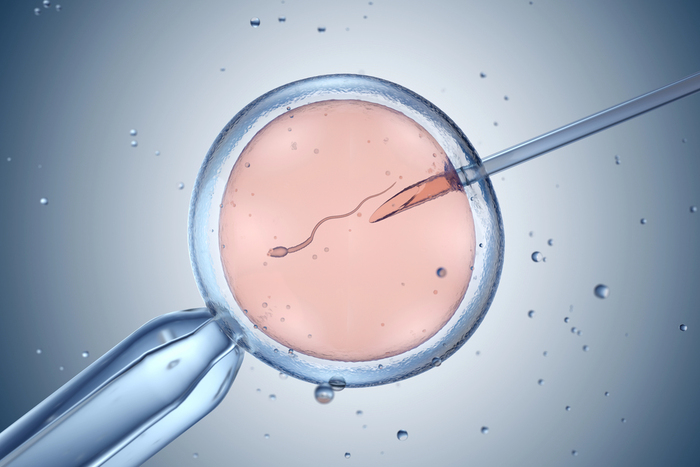
The outer layer surrounding an embryo is called the zona pellucida. Before an embryo can implant in the lining of the uterus, it needs to emerge from this protective layer. With laser assisted hatching, an embryologist uses a precise laser to create a small opening or thin an area of the zona pellucida. The procedure takes place in the laboratory before embryo transfer. The aim is not to make implantation happen. Instead, it assists with the stage that comes just before it by making it easier for the embryo to hatch from its surrounding layer. (Source: NCIB)
LAH Is Not Automatically Part of IVF
It might seem logical that helping an embryo hatch would improve the chances of pregnancy, but fertility treatment is rarely that simple. Assisted hatching has been studied in different groups of IVF patients, and the evidence does not show that it should routinely be used for everyone undergoing treatment. Research has not established a clear improvement in live birth rates for IVF patients overall. This is an important distinction because an additional laboratory procedure is not necessarily beneficial simply because it is available. (Source: HFEA)
When Might Assisted Hatching Be Discussed?
Your fertility team may consider assisted hatching in particular circumstances rather than as a standard step in every IVF cycle. For example, it may be discussed following previous unsuccessful embryo transfers or when certain characteristics of the embryo or zona pellucida are present. Assisted hatching can also form part of laboratory procedures connected with embryo biopsy for preimplantation genetic testing. Recommendations can vary between clinics because the evidence for using assisted hatching in specific patient groups is still developing.
If LAH is suggested, it is reasonable to ask why your fertility team believes it may be useful in your particular cycle. (Source: ASRM)
One Technique Among Many IVF Decisions
Modern IVF laboratories can do far more than fertilize eggs and observe embryos. Techniques such as assisted hatching give embryologists additional options, but having an option does not mean every embryo needs it. The decision should take into account your treatment history, the embryos themselves, the laboratory approach, and the reason LAH is being considered.
For a patient, that makes the most useful question less about whether laser assisted hatching is good or bad and more about why it has been recommended in this particular situation. Sometimes an embryo may receive a little laboratory assistance before transfer. Many others will continue through the hatching process without it. LAH is one tool available to the embryology team, not a necessary step on every IVF path.
Sources:
NCBI - https://pmc.ncbi.nlm.nih.gov/articles/PMC11034172/
HFEA - https://www.hfea.gov.uk/treatments/treatment-add-ons/assisted-hatching/ ASRM - https://www.asrm.org//the-role-of-assisted-hatching-in-in-vitro-fertiliz...