




Why Is Pregnancy After IVF Monitored More Closely?
Seeing a positive pregnancy test after IVF can bring an enormous sense of relief, especially after weeks of medication, appointments, and waiting. But instead of immediately moving into routine pregnancy care, there are usually a few more visits to the fertility clinic first. This can sometimes cause unnecessary worry. If everything looks fine, why are there extra blood tests and early ultrasound scans?
In most cases, closer monitoring does not mean doctors expect something to go wrong. It is simply part of making sure the pregnancy is developing as expected before care is handed over to your regular obstetric team.
The First Weeks After a Positive Test
The first step is usually a blood test to measure hCG, the hormone produced during pregnancy. Depending on the result and your clinic’s routine, another test may be arranged to monitor how the level changes. An ultrasound follows a little later. At this stage, the doctor is looking for important early signs, including whether the pregnancy is located inside the uterus and whether development matches the expected dates. IVF has one advantage here that natural conception usually does not. The clinic knows when egg retrieval and embryo transfer took place so that pregnancy dates can be calculated much more precisely. (Source: ACOG)
Why Early Ultrasounds Matter
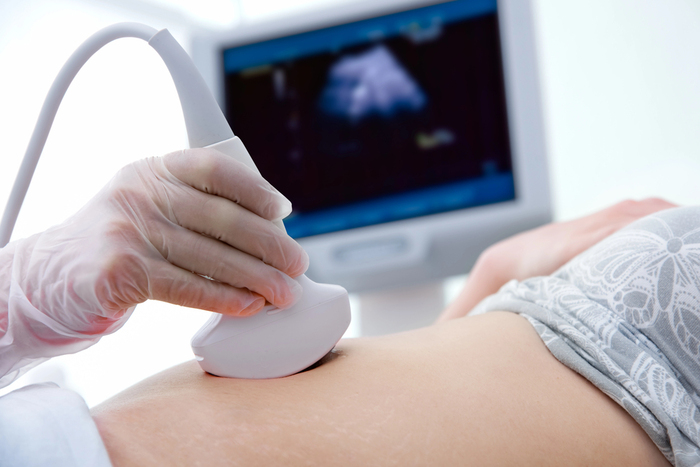
An early ultrasound can provide information that a positive pregnancy test cannot. It can confirm that the pregnancy is developing inside the uterus, check how many embryos have implanted, and later detect a heartbeat. This is particularly useful after IVF because there is a slightly higher risk of ectopic pregnancy compared with pregnancies conceived naturally. (Source: RCOG)
If more than one embryo was transferred, the scan also confirms whether the pregnancy involves one baby or multiples.
The timing matters, though. Having an ultrasound too early may simply mean there is not enough to see yet, which can create worry when nothing is actually wrong.
Medication May Continue for a While
A positive test does not always mean fertility medication stops immediately. Progesterone is commonly used after embryo transfer to support the lining of the uterus during early pregnancy. Depending on the treatment protocol, it may continue for several weeks after the pregnancy has been confirmed. Your clinic will tell you exactly when medication can be reduced or stopped. It is important not to change it yourself simply because the pregnancy test is positive.
When Does Pregnancy Care Become More Routine?
Once early scans show that the pregnancy is progressing normally, care usually begins to look much more like any other pregnancy. Exactly when the fertility clinic hands over care varies, but it commonly happens toward the end of the first trimester or earlier, depending on the clinic and individual circumstances. After that, having conceived through IVF does not automatically mean every pregnancy will require intensive monitoring. Age, multiple pregnancy, previous complications, and existing medical conditions may affect how closely someone is followed later on. (Source: Mayo Clinic)
Sources:
ACOG - https://www.acog.org/clinical/articles/2017/05/methods-for-estimating-th... RCOG - https://www.rcog.org.uk/for-the-public/browse-our-patient-information/ec... Mayo Clinic - https://www.mayoclinic.org/tests-procedures/in-vitro-fertilization/about...